
Blog
Read about what we're up to and what we're learning along the way
13 articles
Scale is no longer about how many people you have. It's about how much throughput moves across your team relative to the attention you can bring to bear on it. The first chapter of a book we're writing in public.
A new idea is the fastest-acting antigen known to science — and the deeper problem is that we can't even perceive an idea that doesn't fit what we already believe. Investors, physicists, and jazz musicians each built a ritual to beat the reflex. Art schools built the most literal one of all, and recording everything is how we run it all day.
Every engineer we've invited to a work-trial would have been a confident 'hire' under the methods I trusted my whole career. Only two of six clicked. This is what the trials taught us about finding who actually thrives in the A.D. era — and why we let people find that out for themselves.
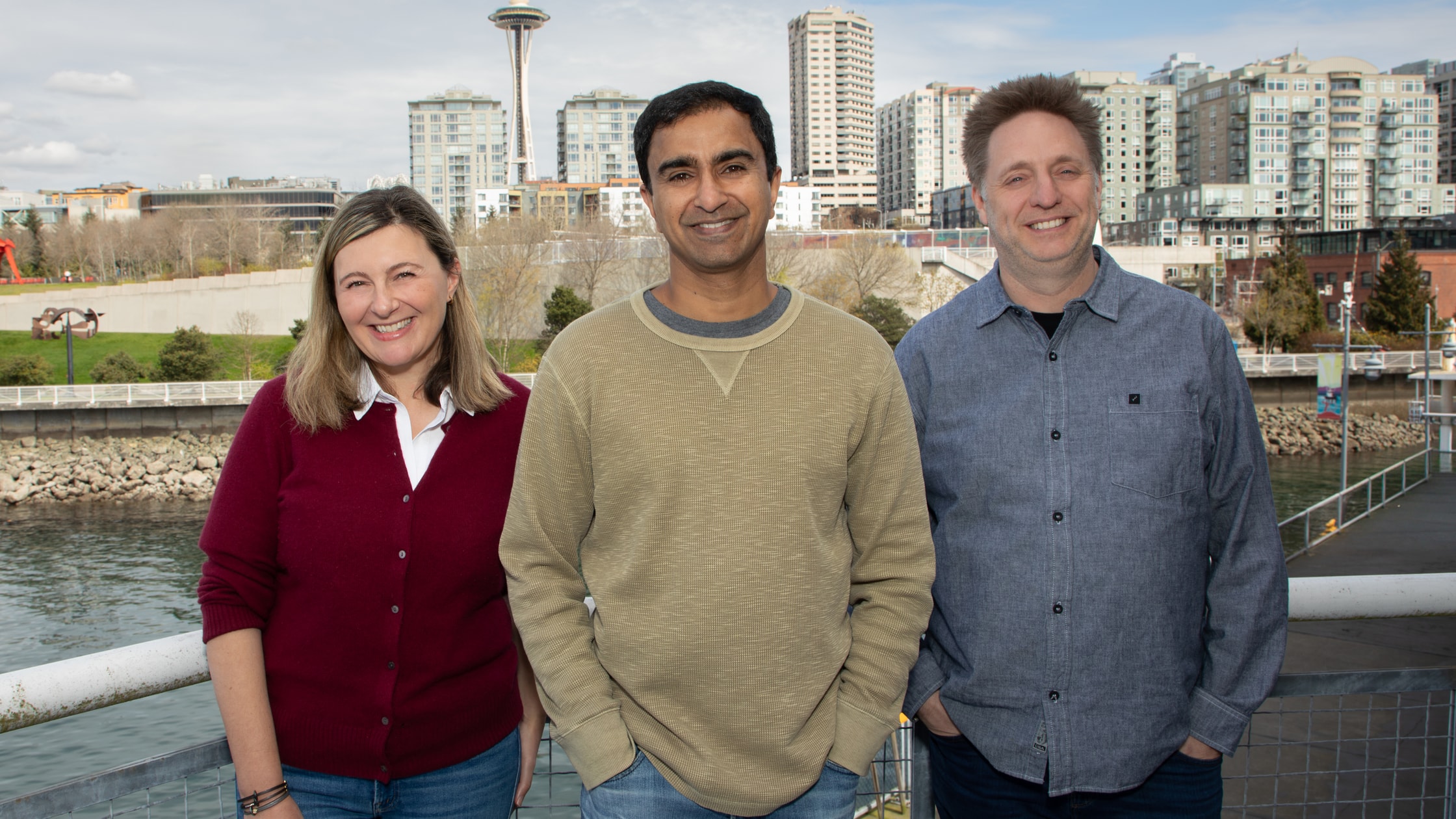
Steve Yegge and Ajit Banerjee on AI literacy cohorts, the death of job titles, why human connection is getting more important — not less — and what it actually means to 'cook' with AI. Hosted by AI House Seattle, May 20, 2026.
A 10-minute look at our core principle of radical transparency in software development
The unexpected journey from AI coding assistants to embedded systems. How a side project led SageOx into the world of firmware development and hardware integration.
Part 5 of our How We Work series. Ryan Snodgrass on how branch management, commit strategies, and repo structure need to evolve when AI agents are writing most of the code.
A 10-minute look at how we operate as an AI-native team — from ideation to execution — with a real-world example from Pier 70 in Seattle.
Part 4 of our How We Work series. Ryan Snodgrass on using multiple AI models for design work — and why ChatGPT generates better design prompts than Claude for visual tasks.
Part 3 of our How We Work series. Ryan Snodgrass on why seeing how your teammates prompt and reason with AI coworkers is one of the biggest learning accelerators.
Part 2 of our How We Work series. Ryan Snodgrass on going from 50 agents to fewer, more focused ones — and why that's actually a sign of progress.
Part 1 of our How We Work series. CTO Ryan Snodgrass talks about the tools and workflows that have been the biggest unlocks in agentic engineering — from Beads for task tracking to creating expert agents by combining multiple AI models.